
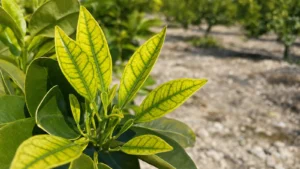
Iron deficiency in plants: why it appears in calcareous soils and how to correct it effectively
Calcareous soils are rarely short of iron, only of soluble iron. This guide explains how pH and bicarbonate lock it up, why grasses cope on limestone while fruit crops do not, how to separate iron chlorosis from zinc and magnesium in the field, and why the chelate you choose matters more than the iron content on the label.
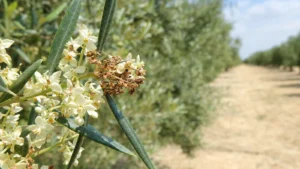
Boron deficiency in plants: how it limits flowering and fruit set, and when to correct it
Boron deficiency shows up as a crop that blooms well and sets badly, because the pollen tube is the most boron-demanding structure in the plant. This guide covers the cell wall and pollen tube mechanisms, which species can move boron in the phloem and which cannot, how liming and sandy soils trigger deficiency, and why the margin between deficiency and toxicity is the narrowest of any nutrient.
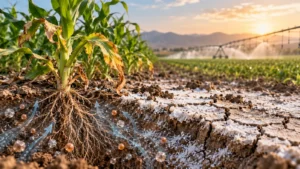
Salt Stress in Plants: Symptoms, Causes and How to Manage Soil Salinity in Crops
Salt stress can restrict water uptake before crops show obvious damage. We explain how soil salinity affects plant physiology, how to interpret electrical conductivity, how to distinguish salinity from sodicity and how to decide between root-zone management and complementary foliar support.

What Is Gibberellic Acid? GA3 Uses in Agriculture, Timing and Crop Responses
Gibberellic acid (GA3) can influence germination, elongation, flowering and fruit development, but crop response depends strongly on cultivar, phenological stage and application objective. We explain how GA3 works, where it is used in agriculture, why timing matters and how to distinguish it from other plant growth regulators.
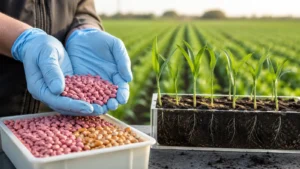
How Biostimulant Seed Treatment Supports Germination and Early Crop Establishment
Biostimulant seed treatment may support faster, more uniform emergence and stronger early crop establishment. Learn how it works, when to apply it, what can limit the response and how to evaluate results in the field.
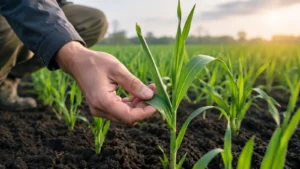
What Does Calcium Silicate Do for Crops? Benefits, Uses and Application Timing
Calcium silicate can support stronger crop tissues, silicon nutrition and preventive stress management, but results depend on the crop, formulation and application route. This guide explains how soil, fertigation and foliar options differ, when treatment may fit and which diagnostic checks should come first.
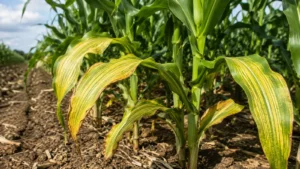
Magnesium deficiency in maize: Symptoms, causes and effective solutions
Magnesium deficiency in maize causes interveinal chlorosis, leaf striping, reduced vigour and potential yield losses. Discover how to identify the symptoms, confirm the diagnosis and choose the right corrective and preventive treatments.
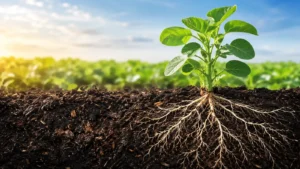
What does humic acid do to plants? Benefits, uses and application guide
What does humic acid do to plants? Learn how it supports root growth, nutrient availability, fertilizer efficiency, soil structure and crop resilience, plus when and how to apply it.
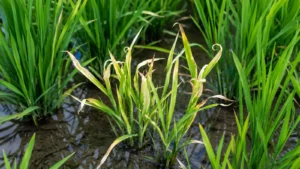
Calcium Deficiency Symptoms in Rice: How to Identify, Diagnose and Correct the Problem
Calcium deficiency in rice can cause deformed young leaves, necrotic tips, weak roots and reduced plant vigor. Learn how to recognize the main symptoms, distinguish them from other crop problems and apply effective strategies to restore healthy growth.
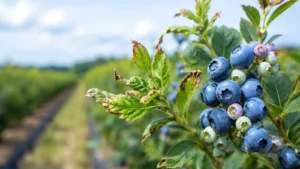
Calcium Deficiency in Blueberries: Symptoms, Causes, Diagnosis and Treatment
Learn how to identify and correct calcium deficiency in blueberries, from early symptoms and root-zone problems to irrigation, diagnosis, treatment and fruit quality management.
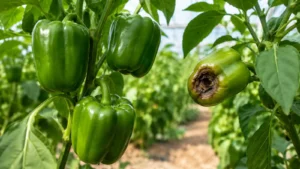
Calcium Deficiency in Peppers: How to Identify, Prevent and Correct It for Healthier Plants and Better Yields
Calcium problems in peppers can reduce fruit quality, plant vigor and marketable yield. In this guide, we explain how to detect symptoms such as blossom-end rot, understand the real causes behind poor calcium uptake and apply practical strategies to prevent future crop losses.
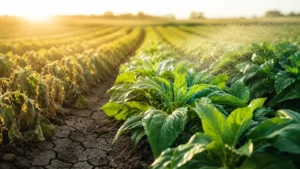
How Amino Acids Help Crops Recover from Abiotic Stress: A Practical Guide for Stronger, More Resilient Plants
Amino acids help crops recover from abiotic stress by supporting energy efficiency, water balance, antioxidant defense and new growth. In this practical guide, we explain when and how to apply them for stronger, more resilient plants.